

Global sustainable agriculture drives the transformation of modern fertilizer production. Traditional chemical fertilizer manufacturing pursues fast output and simple nutrient supplementation, while green planting demands booming bio-organic fertilizer production. The two production modes differ greatly in raw materials and processing principles, requiring exclusive and matched bio-organic fertilizer equipment to ensure qualified finished products.
General fertilizer production adopts simple mixing and granulating processes for chemical materials. It features fast production speed and large capacity, yet long-term application damages soil ecology, causing soil hardening and reduced native microbes. Such production mode can no longer fit current eco-friendly agricultural development needs.
Bio-organic fertilizer production focuses on waste recycling and soil remediation. It reuses livestock manure and crop straw as raw materials, and adds beneficial microbial agents. The final fertilizer not only supplies crop nutrients, but also improves soil structure, repairs soil ecology and suppresses soil-borne diseases effectively.
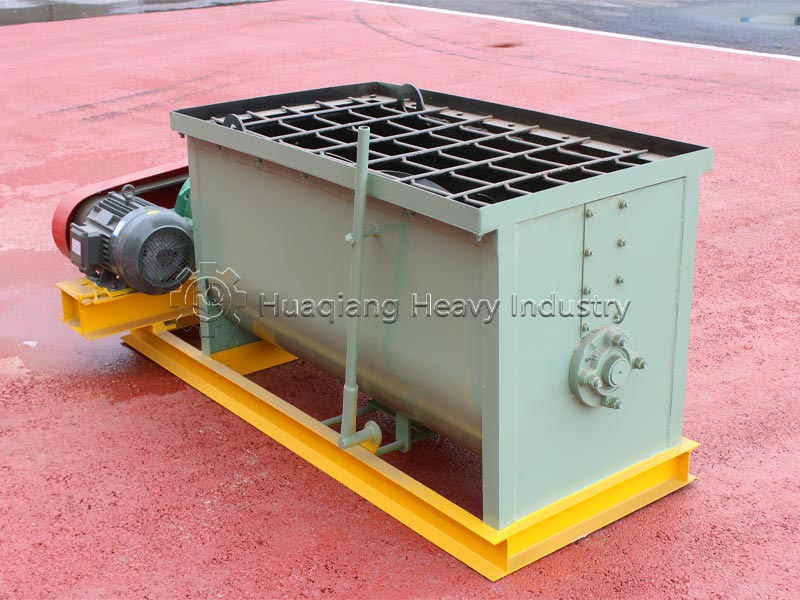
Professional bio-organic fertilizer equipment is specially designed to protect microbe activity. Core devices include compost turners for aerobic fermentation, material crushers, fertilizer mixer machines and particle screening machines. Different from common fertilizer machines, all devices work under normal temperature to avoid killing active beneficial bacteria during processing.
Many manufacturers make a common mistake: using ordinary fertilizer machines to produce bio-organic fertilizer. High-temperature processing and mismatched fermentation devices will lead to massive microbe inactivation, making finished products fail official quality tests.
In conclusion, the whole fertilizer production industry is transforming toward ecological production. Professional bio-organic fertilizer equipment is indispensable for standardized bio-fertilizer manufacturing. Choosing targeted equipment can stabilize product quality and capture more market shares in green agriculture industry.