

New investors in agriculture often focus on how to produce fertilizer and how to construct a practical fertilizer manufacturing plant. Organic fertilizer production is more popular than chemical fertilizer manufacturing currently, thanks to its low technical difficulty and eco-friendly features. This article briefly introduces the standard organic fertilizer making process and key factors influencing organic fertilizer production plant cost for novice investors.
The standard organic fertilizer making process covers five core steps. Manufacturers firstly proportion raw materials like livestock manure and crop straw, and adjust moisture to adapt to microbial fermentation. Secondly, conduct aerobic composting with turners to oxygenate materials and eliminate odor and harmful substances. After full decomposition, materials go through crushing, microbial agent mixing, granulation and screening. Finally, qualified fertilizer particles are packaged for sale.
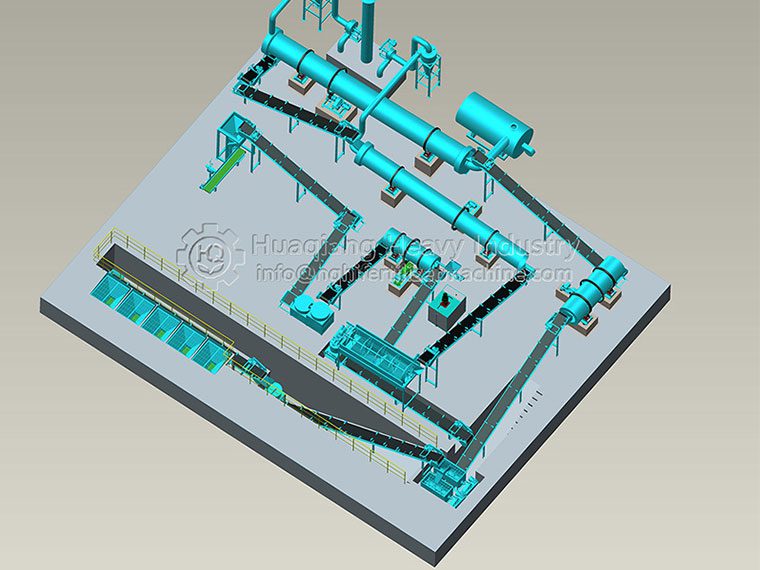
A complete fertilizer manufacturing plant needs three functional areas: fermentation yard, processing workshop and finished goods warehouse. Different from chemical fertilizer plants that require high-temperature reaction devices, organic fertilizer plants only adopt normal-temperature physical processing, which lowers site requirements and operational safety risks greatly.
Organic fertilizer production plant cost is mainly determined by production scale. Small semi-automatic plants need low upfront investment, fitting small individual factories. Large fully automatic plants cost more for automated equipment and standardized workshops. Other recurring costs include raw material supply, microbial agents and daily labor expenses.
Overall, mastering mature organic fertilizer making process is the core solution to how to produce fertilizer. Investors can match plant scale reasonably based on budget, effectively cut unnecessary expenditure, control total organic fertilizer production plant cost, and build a stable and profitable fertilizer manufacturing plant.