

Livestock manure was once a staple agricultural fertilizer, but with the advent of large-scale farming, it is now often viewed merely as waste. Since the properties of different types of manure vary significantly, understanding their sources and characteristics is the first step in organic fertilizer production.
Cattle manure comes from dairy and beef farms; it is high in fiber, has moderate moisture content, and possesses a high carbon-to-nitrogen (C/N) ratio. Its fertilizing effect is mild and slow-release, making it suitable for soil improvement; however, because it heats up slowly during fermentation, it is often mixed with chicken manure or urea to adjust the C/N ratio.
Pig manure originates from large-scale pig farms and has a moisture content exceeding 70%, making it sticky and nutrient-rich. It tends to clump and easily becomes anaerobic and malodorous; therefore, it usually undergoes solid-liquid separation before being mixed with materials like straw powder or spent mushroom substrate for aerobic fermentation.
Chicken manure comes from layer and broiler farms; it has the highest nutrient concentration among livestock manures and is classified as a “hot” fertilizer. It heats up rapidly and reaches high temperatures during fermentation, but applying it without full decomposition can easily burn plant roots, so thorough composting is essential.
Sheep manure comes from sheep farms; it is granular, rich in organic matter, and has a loose, breathable texture. It is mild in nature; once decomposed, it can be applied directly to fruit trees and vegetables, making it an excellent raw material for organic fertilizer.
Duck, goose, and horse manures can also be used as supplements, though they should be combined flexibly based on local livestock farming patterns.
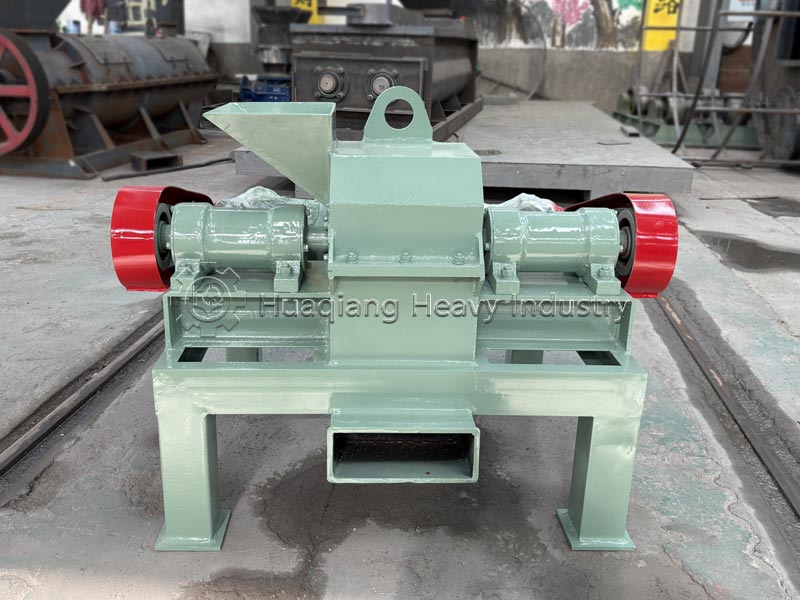
Once collected from farms, these manures require a series of processing steps to become commercial organic fertilizer. Common equipment includes: solid-liquid separators for high-moisture pig manure; compost turners (trough, crawler, or double screws types) for aerobic fermentation; half-wet material crushers and cage fertilizer crushers to break up clumps and cut fibers; and granulators (disc, stirring-tooth, or rotary drum granulators) for shaping. Finally, the product is screened and packaged, resulting in an odorless, safe organic fertilizer with uniform granules. From manure to fertilizer, this machinery links together the complete process of turning livestock waste into a valuable resource.