

While both cage fertilizer crushers and straw crushers can process straw, their core differences are significant. Selection should be based on specific processing needs to avoid resource waste.
Different Core Positioning: Cage crushers are specifically designed for organic fertilizer production lines, offering strong versatility. Besides straw, they can process various dry fertilizer raw materials such as dried livestock manure and wood ash, making them suitable for the entire fertilizer processing pretreatment process. Straw crushers, on the other hand, are dedicated to specific types of straw, making them highly specialized.
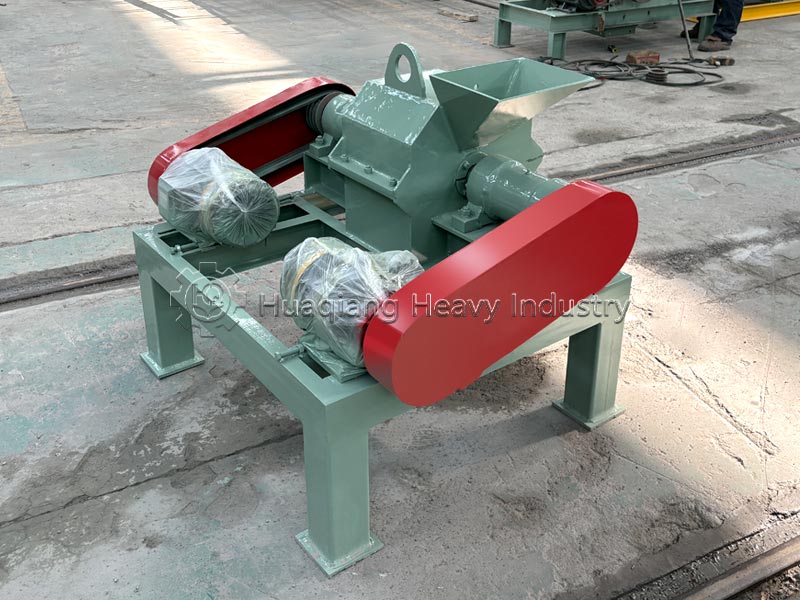
Different Performance Focuses: Cage crushers rely on toothed impact crushing, providing concentrated force and suitable for breaking up raw material lumps. They produce coarser particles and are suitable for pre-processing in fertilizer fermentation and granulation. Straw crushers use blade cutting/hammering, allowing for flexible adjustment of fineness and resulting in more uniformly crushed straw. They are suitable for applications such as returning straw to the field and feed processing.
Differences in Scenario Suitability: Cage crushers are suitable for organic fertilizer processing plants, handling various dry raw materials without frequent equipment adjustments. Straw crushers are suitable for farms and cooperatives, focusing on the separate processing of straw, offering higher efficiency and better meeting the needs of straw utilization.
In summary, for processing various dry fertilizer raw materials, a cage fertilizer crusher is recommended; for focusing solely on straw processing, a straw crusher is more efficient. Selecting the right model based on your specific needs will maximize the value of the equipment.