

How frequently is the chain fertilizer crusher used in a fertilizer workshop? The answer isn’t a simple “high” or “low” choice, but rather depends on its role in the process chain.
For most conventional compound fertilizer and organic-inorganic compound fertilizer production lines, it is a high-frequency operating device. Fermented organic materials (such as manure and straw powder) often clump together, requiring crushing before each batch is fed. The chain fertilizer crusher has a simple structure, is screenless and less prone to clogging, and is highly adaptable to materials with moderate moisture content. In continuous production lines, its operating time is usually synchronized with the granulator, typically running for 8-16 hours daily, resulting in a high usage frequency.
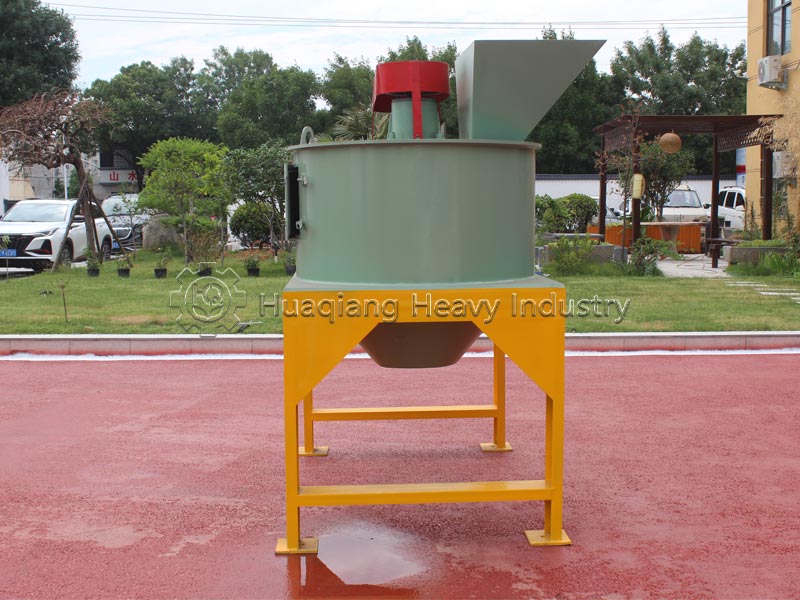
However, the frequency decreases significantly in specific scenarios. If the production line primarily uses granular urea, potassium chloride, etc., and only needs to process returned materials or lumpy additives, it may only be used a few times per week. Furthermore, in fertilizer granules compaction technology, chain fertilizer crushers serve only as pre-treatment aids, their frequency depending on the overall production line’s start-up and shutdown rhythm, rather than accompanying the entire granulation process.
Overall, chain fertilizer crushers are high-frequency-use equipment in the fertilizer industry, especially in production lines with a large proportion of powdery raw materials and continuous batch production, where their utilization rate is almost on par with the core fertilizer granulator. However, they are not “permanent guests”—their frequency naturally decreases when raw materials are granulated or the production line is operating intermittently. Judging their frequency essentially involves examining the raw material composition and production cycle.