

Both cage and chain fertilizer crushers are used for crushing fertilizer raw materials, but their material compatibility differs significantly. The core difference lies in their tolerance to material moisture, hardness, and impurities, requiring selection based on the characteristics of the raw material.
For dry, lumpy materials, cage fertilizer crushers are more advantageous, suitable for dry raw materials with a moisture content ≤20%, such as dried straw and lumpy dried livestock manure. They rely on toothed impact to break up the material, reducing clogging and ensuring uniform crushing. Chain fertilizer crushers, when processing such dry, hard materials, lack sufficient force, leading to incomplete crushing and faster equipment wear.
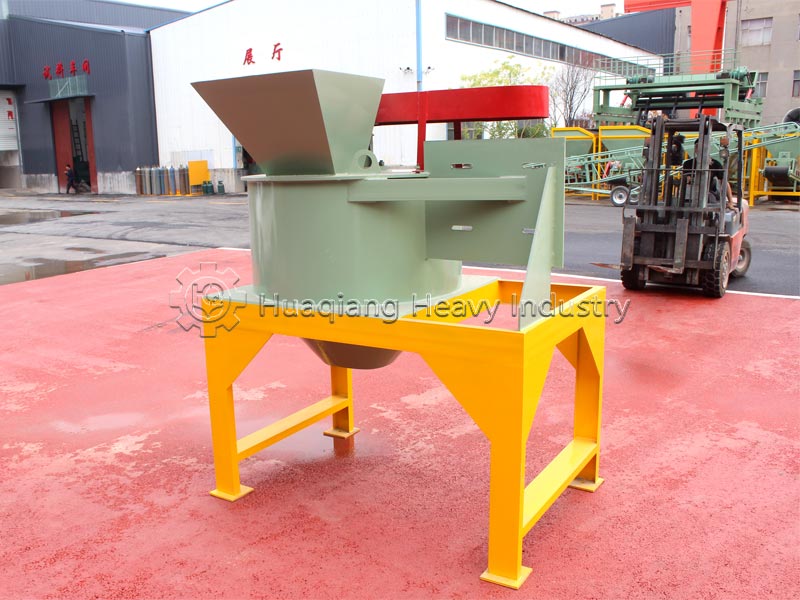
For medium-to-low moisture, tough materials, chain fertilizer crushers are more advantageous, capable of processing semi-dry materials with a moisture content of 20%-30%, such as semi-dry straw and not fully dried organic fertilizer, without easily causing adhesion and clogging. Cage fertilizer crushers, when processing such wet materials, are prone to material adhesion and equipment blockage.
For materials containing small amounts of impurities, chain fertilizer crushers are more adaptable, tolerating small amounts of stones and other impurities, and their chain structure is impact-resistant. Cage fertilizer crushers, on the other hand, are more susceptible to wear and jamming from hard impurities, and their adaptability is poor.
In summary, cage fertilizer crushers are suitable for dry, agglomerated materials without impurities; chain fertilizer crushers are suitable for materials with medium to low moisture content, high toughness, or containing small amounts of impurities.