

Adding a new type organic fertilizer granulator to an existing organic fertilizer production line will result in costs characterized by a “small increase in the short term, but significant optimization in the long term.” The initial increase in equipment investment will be gradually offset by savings in operating costs later on, leading to a better overall cost-effectiveness.
Short-term costs are concentrated in equipment procurement and adaptation. The purchase cost of the new granulator is slightly higher than that of traditional models (10%-20%), but it requires no additional supporting equipment; only simple adaptation of the feeding and discharging stages is needed, resulting in low modification costs and quick production.
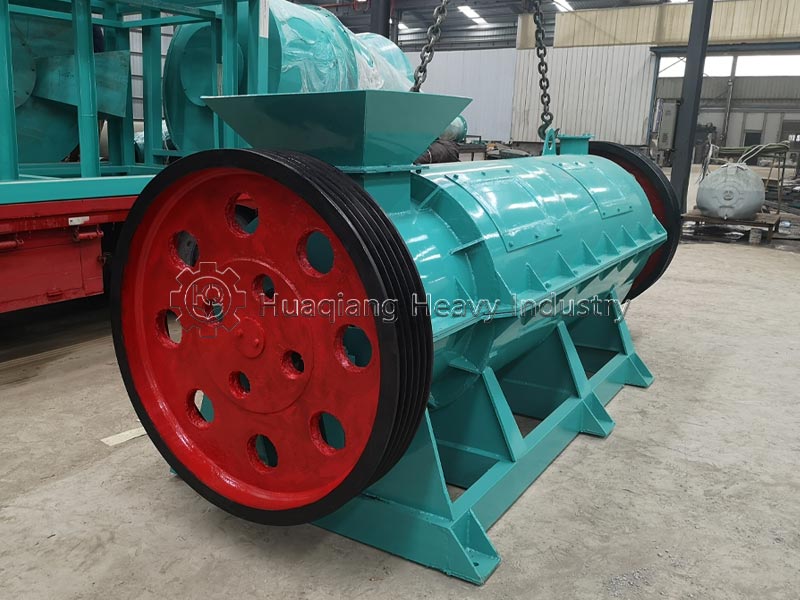
Long-term operating costs can be significantly reduced. The new granulator consumes more than 30% less energy than traditional models, with a molding rate of over 90%, reducing material loss and rework costs. Maintenance is also simple, with fewer replacements of wear parts, resulting in maintenance cost savings of approximately 20%.
Furthermore, the new granulator simplifies processes; some models do not require additional drying equipment, while also reducing manual operation and the use of adhesives, further reducing energy consumption, labor, and raw material costs.
In summary, adding a new type organic fertilizer granulator incurs a small amount of equipment and adaptation costs in the short term, and can reduce costs in the long term through energy saving, loss reduction, and labor saving, effectively improving the efficiency of the production line. It is the preferred upgrade solution.