

There is no single, fixed template for an organic fertilizer production line. While the core objective—converting manure and crop residues into commercial fertilizer—remains the same, the specific configuration can vary significantly based on production scale, site conditions, and product positioning.
Simple Powder-Based Model: Designed exclusively for powdered organic fertilizer, this setup requires only a compost turning machine, crusher, screener, and packaging machine. With minimal equipment, low investment, and a quick return on capital, it is ideal for family farms or nascent processing operations. Its drawbacks include lower product value-added and a limited transport radius.
Standard Granular Model: Building upon the powder-based model, this configuration incorporates a granulator, dryer, cooler, and final screening equipment, creating a complete production chain from fermentation to granulated product packaging. Various granulation technologies—such as disc, stirring-tooth, or rotary drum granulators—can be integrated. This model is well-suited for commercial organic fertilizer plants with an annual output ranging from several thousand to tens of thousands of tons.
Modular Configuration: In this approach, fermentation, crushing, granulation, and drying are organized into independent modules. Operations can begin with just the fermentation and powder-processing modules, with additional units added later as demand grows. This phased investment strategy avoids tying up large amounts of capital upfront, making it an excellent choice for projects in markets that are still in the early stages of development.
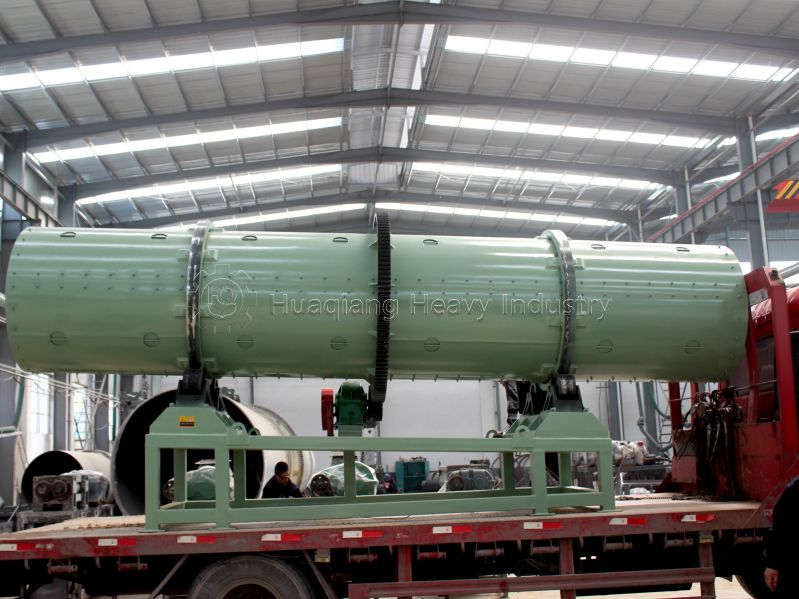
Mobile/Decentralized Model: Compost-turning and crushing equipment are mounted on mobile chassis, allowing them to travel between multiple livestock farms or village-level composting sites. Raw materials are fermented and processed into semi-finished products on-site, then transported to a centralized facility for granulation. This model is best suited for regions where raw materials are widely dispersed and collection radii are large.
Retrofitting Existing Facilities: This model repurposes existing factory buildings, warehouses, or idle sites, retaining usable infrastructure while adding only the core granulation and drying equipment. It requires minimal civil engineering investment and offers a short construction timeline, making it an ideal option for legacy fertilizer plants or livestock enterprises looking to extend their industrial chain.
None of these five models is inherently superior to the others; the optimal choice depends on three key alignment factors: the concentration of raw materials (determining whether a mobile setup is appropriate), the capital investment schedule (influencing the suitability of a modular approach), and product positioning (dictating whether a granulation line is necessary).