

The fundamental difference between biochar-based fertilizers and conventional organic fertilizers lies in their core component: biochar—a porous, carbonaceous material produced through high-temperature, oxygen-limited pyrolysis. Its value extends beyond merely supplying nutrients; it actively alters the soil microenvironment through its physical structure.
Its porous structure facilitates adsorption and water retention. With a large specific surface area and an extensive pore network, biochar acts like a sponge, adsorbing nitrogen, phosphorus, and potassium to reduce leaching, while also storing water to enhance drought resistance.
Slow-release capability is perhaps its most practical feature. Conventional chemical fertilizers dissolve rapidly, often leading to a mismatch between nutrient release and crop uptake, which results in low utilization efficiency. Biochar-based fertilizers, by contrast, adsorb nutrients within their pores and onto surface functional groups, allowing for a gradual release. A single basal application can sustain crops over a longer growth period, thereby increasing nitrogen use efficiency and reducing nutrient loss.
Soil improvement and growth promotion represent its long-term value. Biochar is generally alkaline, making it effective for adjusting the pH of acidic soils; its surface functional groups increase the cation exchange capacity, thereby enhancing the soil’s ability to retain nutrients. Furthermore, its porous structure provides a habitat for beneficial microorganisms, improving the micro-ecology of the rhizosphere.
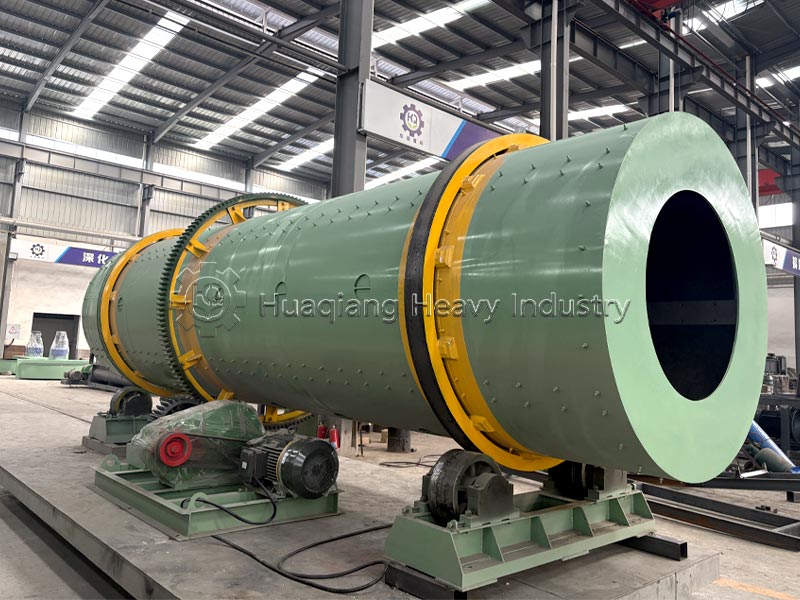
The production of biochar-based fertilizers requires equipment tailored to the specific properties of biochar: carbonization furnaces determine the material’s porosity and reactivity; crushing and blending systems ensure the uniform integration of biochar powder with nutrients; granulation—using either disc or rotary drum granulators—can be adapted to accommodate varying proportions of biochar; and subsequent drying, cooling, and screening processes ensure granule strength and product stability. Ultimately, the value of biochar-based fertilizers lies in effectively “encapsulating” the structural advantages of biochar into every single granule of fertilizer.