

Biochar-based fertilizers are a new type of functional fertilizer made from biochar. The raw materials are lightweight, porous, highly absorbent, and prone to dust generation; some products also contain beneficial live bacteria. These unique material properties distinguish biochar-based fertilizer production equipment from conventional organic fertilizer production equipment. It must meet specific requirements such as process adaptation, activity protection, environmental cleanliness, and wear resistance to ensure standardized, high-quality production.
First, the equipment must be adapted to the processing characteristics of lightweight materials. Biochar has poor flowability and is prone to floating and stratification, making uniform mixing difficult with ordinary equipment. Specialized biochar-based fertilizer equipment must be equipped with forced stirring, anti-stratification, and dust suppression structures to allow the biochar powder to fully integrate with various nutrient materials, ensuring batch-to-batch consistency and stabilizing fertilizer quality from the source.
Second, it must support both ambient and low-temperature operation. Functional biochar-based fertilizers containing microorganisms are extremely sensitive to temperature. The equipment must not generate high-temperature frictional heat during processing; it must maintain ambient temperature throughout the process to effectively protect the activity of beneficial microorganisms, prevent the deactivation of functional components, and ensure the fertilizer’s core functions of soil improvement and growth promotion.
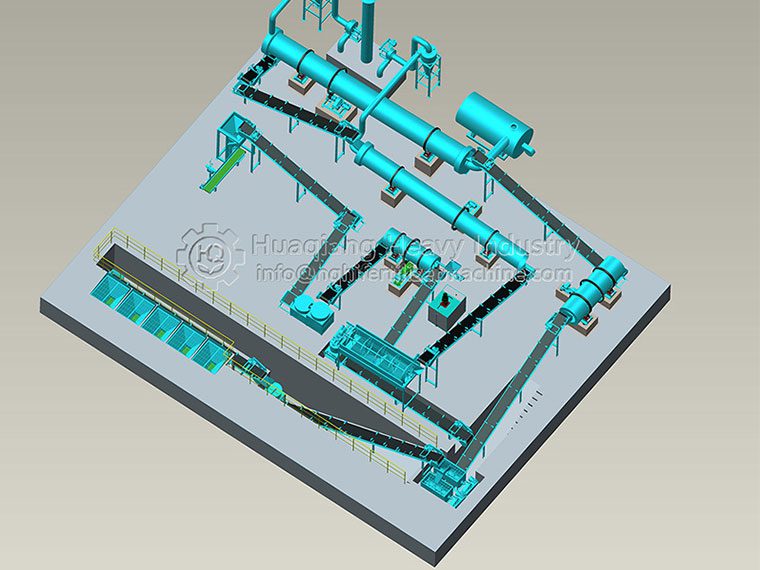
Simultaneously, the equipment must possess airtight and environmentally friendly performance. The processing of ultrafine biochar powder easily generates dust pollution; therefore, the equipment must adopt a closed structure and be equipped with a dust removal device to suppress dust overflow, reduce raw material loss, and meet clean and compliant production standards.
Finally, the core components of the equipment must be wear-resistant, corrosion-resistant, and easy to clean. Biochar has high abrasiveness and easily wears down the inner walls of the equipment. At the same time, a simple, dead-angle-free structural design facilitates material replacement and cleaning, eliminates material residue and mixing, and ensures continuous and stable production and product purity.
In summary, adaptability to lightweight materials, low-temperature preservation, environmentally friendly airtight design, wear resistance, and easy cleaning are the core requirements for biochar-based fertilizer production equipment and the key foundation for the mass production of high-quality biochar-based fertilizer.