

Biochar-based fertilizer is a novel, functional, and eco-friendly fertilizer that uses biochar as a carrier, compounded with mineral nutrients or beneficial microorganisms. Distinct from conventional chemical fertilizers and traditional organic fertilizers, it offers multiple benefits, including soil improvement, nutrient retention, and carbon sequestration. With the continuous upgrading of ecological agriculture and the maturation of standardized processing techniques, biochar-based fertilizer has achieved large-scale, standardized production, becoming a key fertilizer category for enhancing quality and efficiency in modern agriculture.
In terms of raw materials, biochar-based fertilizers primarily utilize agricultural and forestry waste—such as crop stalks, sawdust, and fruit shells—as a base. Through low-temperature pyrolysis and carbonization, this waste is converted into biochar characterized by a porous structure. Its highly developed internal micropores and strong adsorption capacity make it an excellent carrier capable of stably anchoring various nutrients and beneficial microbial communities. Leveraging a mature biochar-based fertilizer processing technology, the production process allows for precise control over the ratios of biochar powder, N-P-K nutrients, and secondary and trace elements, fundamentally overcoming the shortcomings of conventional fertilizers—namely, high nutrient loss and short-lived efficacy.
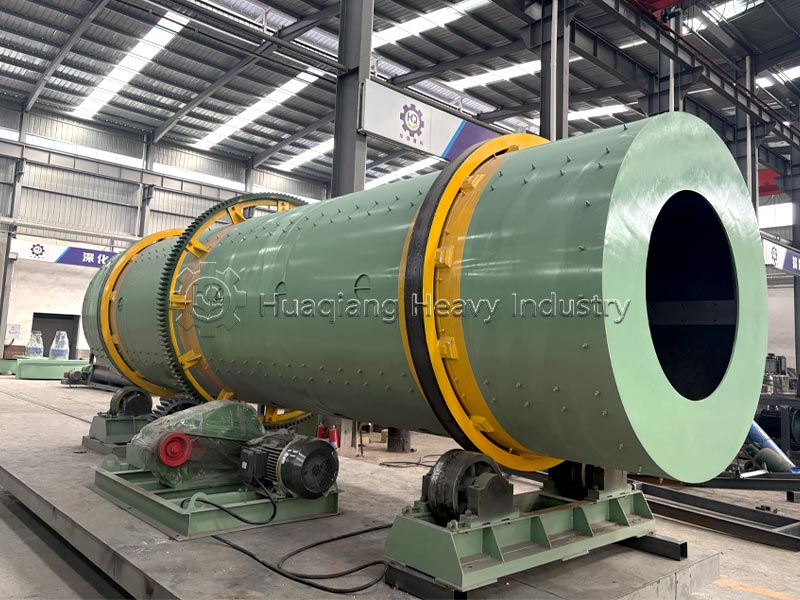
A complete biochar-based fertilizer production line encompasses a full suite of processes, including crushing, proportioning and mixing, nutrient loading/reaction, granulation, drying, and screening. Specialized equipment works in concert to handle the unique physical properties of biochar—specifically its lightweight, porous nature and tendency to generate dust. This specialized machinery ensures the uniform integration of biochar and nutrients, prevents ratio imbalances, significantly enhances the stability and utilization rate of the finished product, and effectively meets the demands of large-scale production.
Regarding application advantages, the unique structure of the biochar enables long-lasting, slow-release nutrient delivery, thereby reducing nutrient leaching and volatilization. It alleviates soil compaction while improving soil aeration and the capacity to retain both water and nutrients. Furthermore, it provides a habitat for soil microorganisms, activates soil microbial communities, and lowers the incidence of soil-borne diseases.
In summary, biochar-based fertilizer represents a new generation of fertilizer products resulting from technological advancement. By leveraging standardized production lines and biochar-based fertilizer production equipment, it transforms agricultural and forestry waste into valuable resources. Balancing increased agricultural yields, soil improvement, and ecological carbon sequestration, it stands as a core fertilizer category for the development of green agriculture.