

Cage and chain fertilizer crushers are the two most common types of machines in the fertilizer industry. While they look similar, their operating principles and applicability are drastically different. Understanding these differences is the first step in making the right choice.
Differences in Operating Principles: Cage crushers use multi-layer concentric cage rotors. The material is crushed by repeated impact and shearing from the high-speed cage bars, resulting in a screenless discharge. Chain crushers rely on a high-speed rotating chain to hammer the material, also without a screen, relying on repeated collisions within the machine cavity for crushing. Cage crushers emphasize “impact,” while chain crushers emphasize “beating.”
Material Adaptability: High-Moisture Organic Matter vs. Conventional Compound Fertilizers. Cage crushers have a high tolerance for moisture content and can handle 20%–30% moist and soft materials such as fermented manure, mushroom residue, and straw without clogging. The output fineness can reach below 200 mesh, making it the first choice for bio-organic fertilizer production lines. Chain fertilizer crushers are more suitable for conventional raw materials with a moisture content below 10%, such as urea, potassium chloride, and monoammonium phosphate. They tend to stick to soft, moist materials, significantly reducing efficiency. The former (cage crusher) excels at handling “wet, soft, and difficult-to-handle” organic materials, while the latter (chain crusher) is better suited for “dry, loose” inorganic materials; each has its strengths.
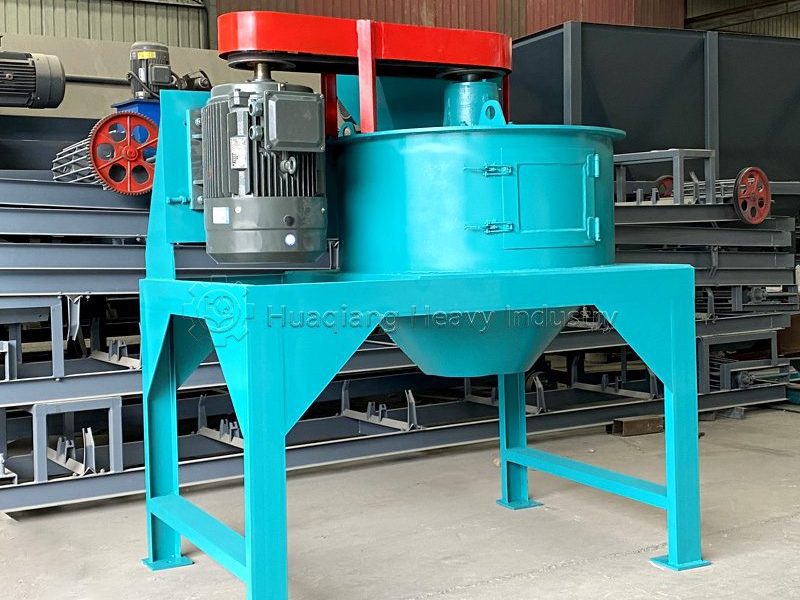
Maintenance Costs: The wear and tear varies. Cage fertilizer crushers require complete replacement or welding after the cage bars wear down, resulting in higher spare parts costs and longer replacement cycles. Chain crushers experience faster chain wear, especially when handling hard materials, increasing the risk of breakage; however, the cost of replacing a single chain is lower, and maintenance is more flexible.
In actual selection, besides material characteristics, the production line scale and investment budget must also be considered—cage crushers have a slightly higher initial investment but offer better long-term operational stability; chain crushers are more affordable and suitable for small production lines with limited budgets. Neither is inherently superior; prioritizing material characteristics leads to a clearer choice.