

The core advantage of slow-release fertilizers is the slow release of nutrients, matching the absorption rhythm of crops, reducing nutrient loss and the frequency of fertilization. The key to production lies in the controlled-release process and raw material combination. Small-scale production can utilize basic fertilizer production equipment, while large-scale production relies on a complete fertilizer production line. Mastering the following steps is essential:
Step 1: Raw Material Preparation and Pre-treatment. Select single or compound fertilizers containing nitrogen, phosphorus, and potassium, combined with slow-release agents such as resins and sulfur, and a small amount of binder. Use a fertilizer crusher to crush and purify the raw materials and mix them in the correct proportions, laying the foundation for effective controlled release.
Step 2: Mixing and Controlled-Release Coating. Pour the pre-treated raw materials into a fertilizer mixer and mix thoroughly. The core process is coating: the material is fed into a coating machine, and a coating liquid is sprayed to form a uniform thin film. This is crucial for nutrient slow release.
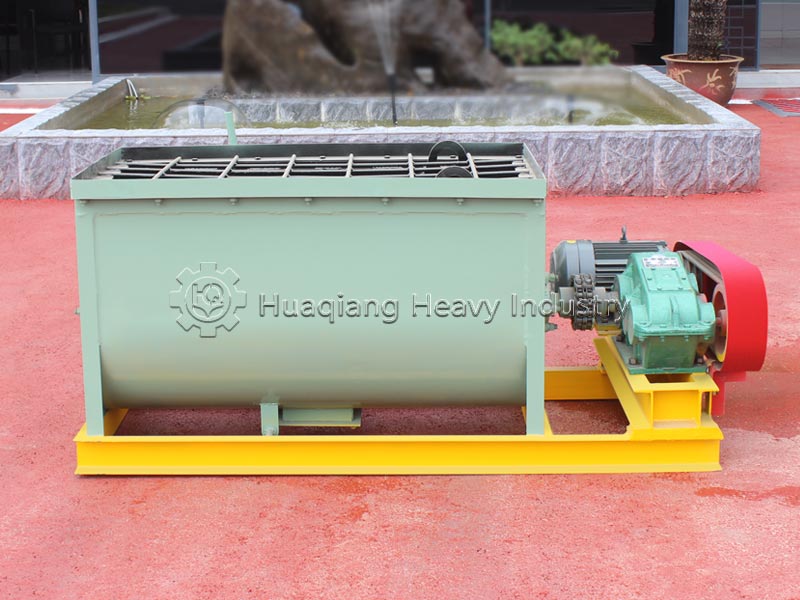
Step 3: Granulation, Drying, and Screening. The coated material is fed into a fertilizer granulator to produce uniform granules (particle size can be adjusted as needed). Then, the material is dried and screened using fertilizer production equipment to remove water and impurities, ensuring a consistent finished product.
Step 4: Inspection and Packaging. Test the finished product for slow-release properties, nutrient content, and granule strength. After meeting the standards, the product is sealed, packaged, and stored in a cool place. Throughout the process, fertilizer production equipment provides basic support, the fertilizer granulator controls the molding quality, and a complete fertilizer production line enables large-scale production. Controlling the uniformity of the coating is key to producing high-quality slow-release fertilizers.