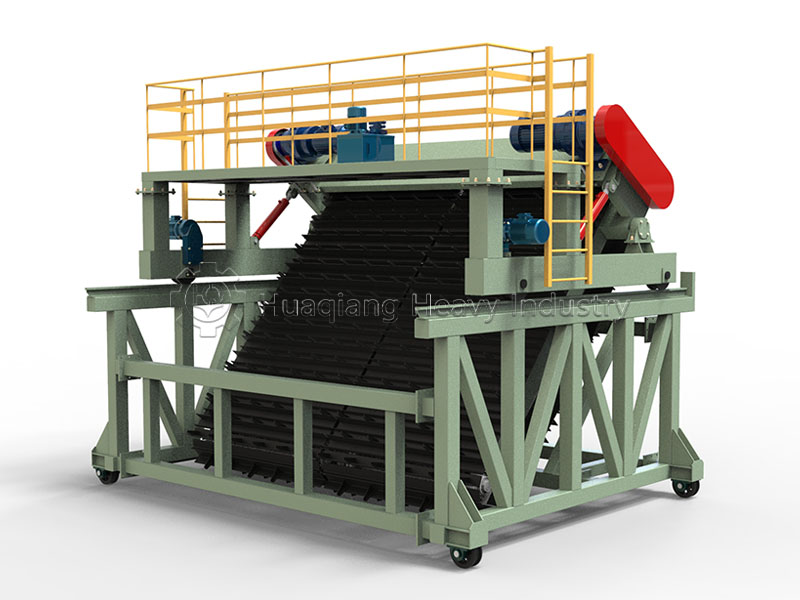
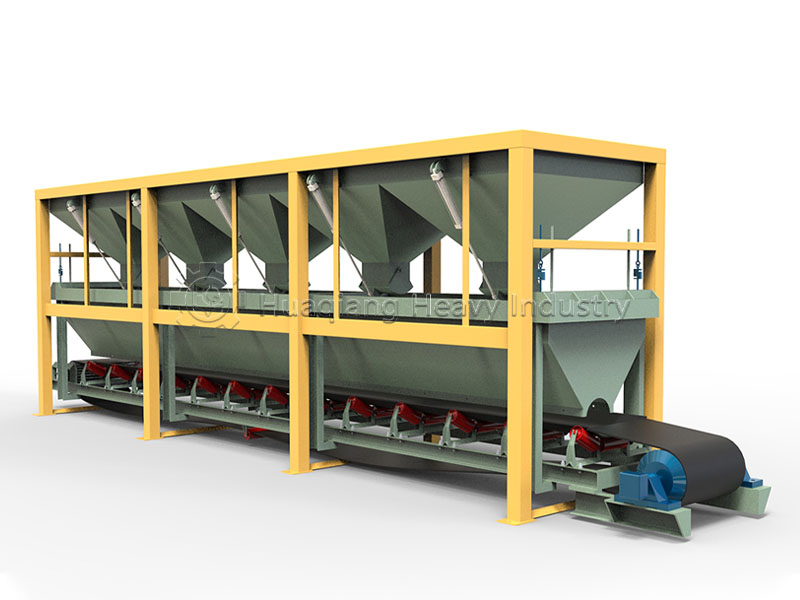
The single silo single weigh dynamic automatic batching system occupies a core position in the batching section of a modern fertilizer production line, serving as a key piece of equipment connecting raw material storage and mixing/granulation. It precisely measures various basic fertilizers and auxiliary materials according to a scientific formula, providing the mixer with a uniformly nutrient-rich mixture. The accuracy of batching directly determines whether the nutrient content of the finished fertilizer meets standards and whether each batch is consistent. This batching system, through automated metering and formula management, ensures product quality from the source, making it a crucial process for fertilizer companies to achieve standardized production and formula traceability management. In organic fertilizer, compound fertilizer, and blended fertilizer production lines, it can significantly improve batching efficiency and product qualification rate.
Working Principle
The system operates automatically according to a preset formula, with each raw material bin dynamically metered sequentially. The feeding screw in each bin delivers material into an independent weighing hopper, and the weighing sensor transmits the weight changes to the PLC in real time. The control system precisely controls the amount of material added to each bin through a fast/slow feeding strategy. After each raw material is metered, the material in the weighing hopper is unloaded onto a collection belt according to the program, and then conveyed to the mixer by the belt conveyor. The system can be interlocked with upstream raw material silo level gauges and downstream mixers to achieve coordinated operation of the batching and mixing processes. Formula data, actual measurement values, and batch information are automatically stored and can be queried and traced at any time. Dynamic weighing allows the system to adapt to changes in material flowability, maintaining batching accuracy.
Process Advantages
Precise formula execution, resulting in uniform and compliant nutrient content in the finished fertilizer, reducing quality fluctuations.
Automation replaces manual labor, accelerating batching, shortening batch times, and improving production efficiency.
Digital formula management supports rapid switching between multiple products and mass production.
Strong adaptability of dynamic metering, providing high metering accuracy for materials with varying flowability.
Seamless integration with the mixer, reducing intermediate steps from batching to mixing.
Traceable metering data facilitates quality control and process optimization.
Selection Methods
When selecting a system, the number of silos and weighing units should be determined based on the types and quantities of raw materials, generally 3-8 types. The conveying capacity of the feeding screw and the volume of the weighing hopper should be calculated based on the production line capacity requirements to ensure that the batching cycle time meets the mixer’s capacity.
Regarding material characteristics, sealed screw feeders are recommended for powdery materials, while belt feeders or screw feeders can be used for granular materials. Materials with poor flowability require increased bin wall vibration or the installation of anti-arching devices.
For applications requiring high metering accuracy, high-precision sensors and variable frequency feeding systems with slow-speed replenishment control should be selected. The control system must have recipe storage, data recording, and communication interfaces for easy integration with a full-line PLC or factory management system.
In terms of civil engineering and space, single-bin, single-weighing systems utilize modular steel structure platforms with flexible layouts, requiring rational planning based on workshop height and area.
Equipment materials should be selected based on the corrosiveness of the material, choosing either carbon steel or stainless steel, with spare parts provided for vulnerable components.