

Driven by policies promoting green agriculture and the circular economy, the organic fertilizer composting business has attracted much attention due to its “turning waste into treasure” attribute. Whether it is profitable hinges on controlling costs, mitigating risks, and achieving a balance between ecological and economic benefits.
Multiple favorable factors support profit potential. Low raw material costs are a core advantage; livestock manure, straw, and other agricultural waste can be obtained for free or at low cost, reducing initial investment. Significant policy dividends are also evident, with many regions providing subsidies for resource utilization projects, coupled with fertilizer reduction policies, leading to a steady increase in demand for organic fertilizer. Processing organic fertilizer into granular fertilizer using organic fertilizer production equipment can further increase product premiums and broaden revenue channels.
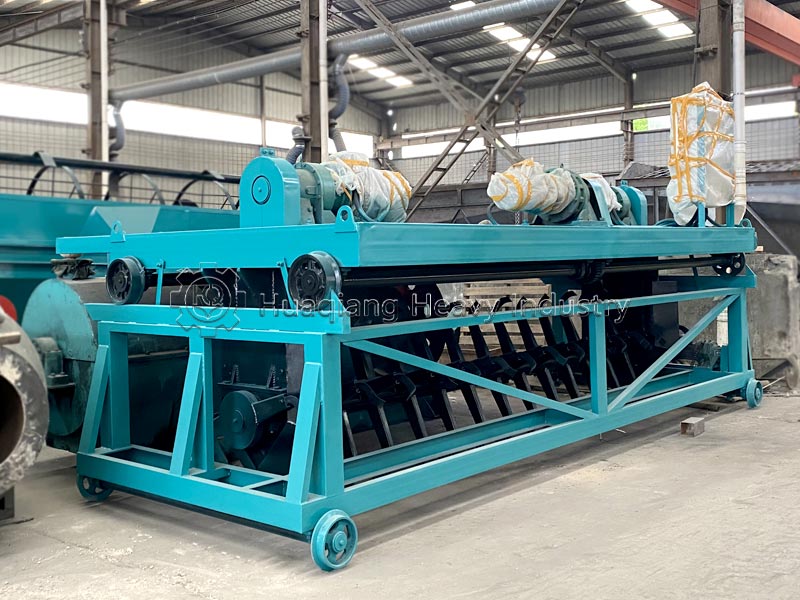
Potential risks need to be carefully avoided. Raw material supply is affected by the livestock cycle and regional policies, potentially leading to supply disruptions or price increases; a lack of professional fermentation technology and organic fertilizer compost turning machines can easily result in product quality problems, affecting sales; improper handling of odors and leachate may also lead to penalties, increasing operating costs.
The key to profitability lies in optimizing operations. Establish diversified raw material channels and pair them with suitable organic fertilizer composting equipment to improve efficiency and shorten cycles; focus on niche markets to create targeted products. As long as risks are accurately controlled and needs are met, ecological advantages can be transformed into profit drivers, achieving sustainable development.