

Composting is the core process in the production of bio-organic fertilizers. High-quality compost relies on scientific operation and the rational use of bio-organic fertilizer composting equipment. In practice, many misconceptions can lead to composting failure and reduced fertilizer efficiency. Understanding common mistakes and how to avoid them is crucial.
The primary mistake is an imbalance in raw material ratios. Blindly piling up a single raw material leads to an imbalance in the carbon-to-nitrogen ratio, resulting in either slow decomposition or the production of foul odors. Solution: Mix raw materials at a ratio of 25:1-30:1, such as livestock manure mixed with straw, and use a fertilizer mixer to ensure thorough mixing, guaranteeing balanced nutrients and supporting microbial activity.
Improper moisture control can easily cause problems. Excessive moisture leads to oxygen deficiency and foul odors in the compost pile, while insufficient moisture results in insufficient microbial activity. Correct practice: Control the moisture content at 50%-60%, ideally when the material can be squeezed into a ball without dripping water between the fingers. Add water when dry and add dry straw to adjust moisture when too wet.
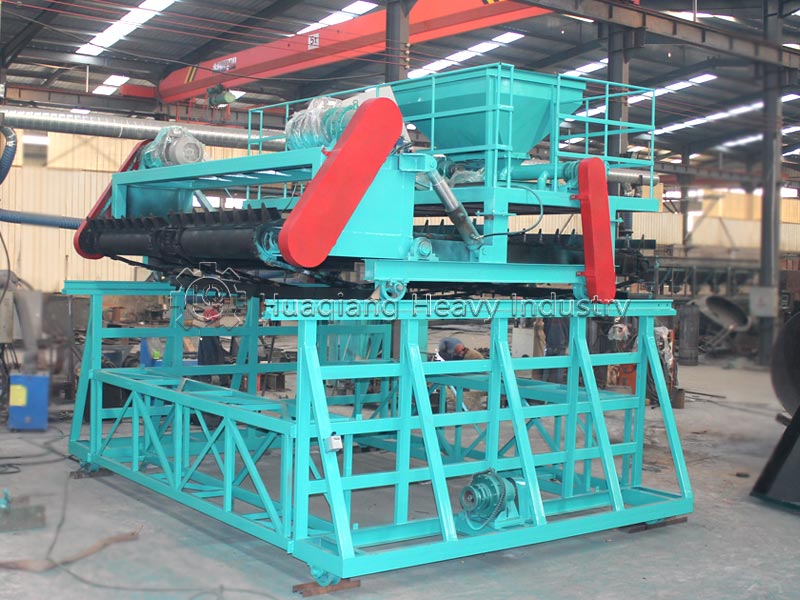
Infrequent or improper turning of the compost pile is a key problem. Lack of turning easily leads to anaerobic fermentation, while shallow turning results in uneven oxygen supply to the materials. Recommendation: After the pile temperature reaches above 60℃ and is maintained for 3-5 days, use a compost turning machine for deep turning to ensure that the materials are fully exposed to oxygen.