

In production, fertilizer compaction and BB (Bulk Blend) mixing represent two diametrically opposed approaches to handling granules. Understanding the differences between these processes is crucial for the effective planning of production lines.
Fertilizer compaction is a dry granulation process centered on the use of a roller compressor. Powdered raw materials are fed between two counter-rotating rollers and squeezed into dense sheets under high pressure (10–30 MPa); these sheets are subsequently crushed and screened to produce the final granules. The entire fertilizer granules compaction process requires no water, binders, or hot-air drying. The resulting granules are highly dense and possess high compressive strength, making them resistant to pulverization during storage and transport. However, this method requires raw material moisture content to be kept below 5%, and the granules tend to be irregularly shaped (flake-like or pillow-shaped) rather than the smooth, round shapes produced by wet granulation methods.
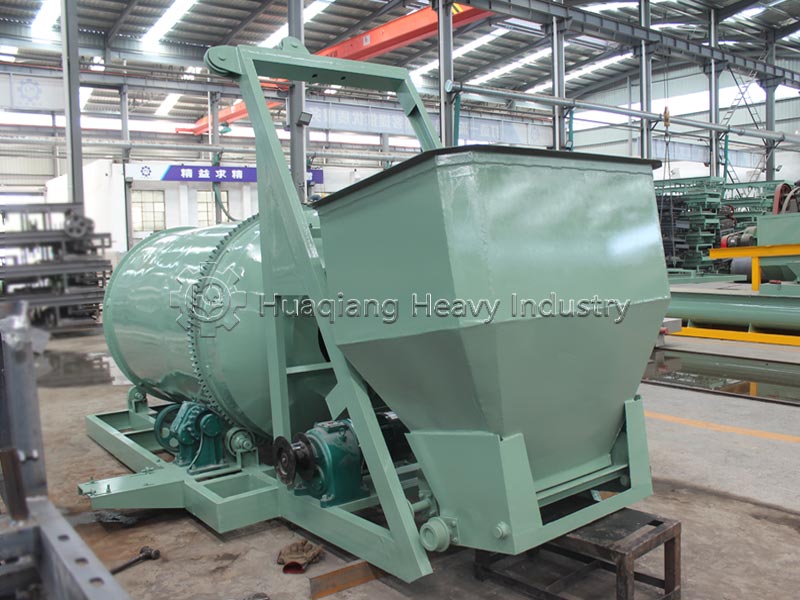
The logic behind BB fertilizer mixers is entirely different. BB fertilizers are created by directly blending pre-granulated nitrogen, phosphorus, and potassium (NPK) base fertilizers according to a specific formula; the mixer must strike a balance between achieving uniform blending and avoiding damage to the granules. Professional BB mixers typically feature a horizontal ribbon or drum design and operate at low speeds (20–40 rpm). Internal spiral mechanisms tumble and blend the granules with minimal impact force. This allows for granule breakage rates to be kept under 2% and a coefficient of variation for mixing uniformity of no more than 5%, with a mixing cycle of 2–5 minutes followed by immediate discharge and packaging.
Compaction granulation addresses the challenge of “creating granules from scratch” by transforming powdered raw materials into durable granules. In contrast, BB mixers address the challenge of “uniformly blending existing granules,” achieving precise nutrient distribution while maintaining granule integrity. These two methods serve different production objectives; understanding this distinction is essential for making the right decisions during equipment selection.