

Bio-organic fertilizers are environmentally friendly and have long-lasting effects, making them a core fertilizer in modern agriculture. Their diverse types depend on bio-organic fertilizer production lines and supporting equipment. They can be precisely classified according to raw material source, functional characteristics, and dosage form. Different types have varying nutrient compositions and application scenarios, requiring selection based on specific planting needs.
Based on raw material source, livestock and poultry manure-based fertilizers are the most common, using chicken manure, cow manure, etc., as raw materials, fermented through bio-organic fertilizer production lines. They are high in organic matter, improve soil compaction, and are suitable for a wide range of applications including field crops and fruits and vegetables. Straw and fungal residue-based fertilizers use straw and fungal residue as raw materials, rich in fiber to improve soil aeration, and are suitable for improving clayey soils.
Based on functional characteristics, functional microbial fertilizers add nitrogen-fixing bacteria, phosphorus-solubilizing and potassium-solubilizing bacteria, etc., to address soil nutrient imbalances and crop diseases, suitable for barren or continuously cropped land. Amino acid-based fertilizers add amino acid components, providing quick results, suitable for crop seedling and fruit development stages. Both types require precise control of components using bio-organic fertilizer equipment to ensure fertilizer efficiency.
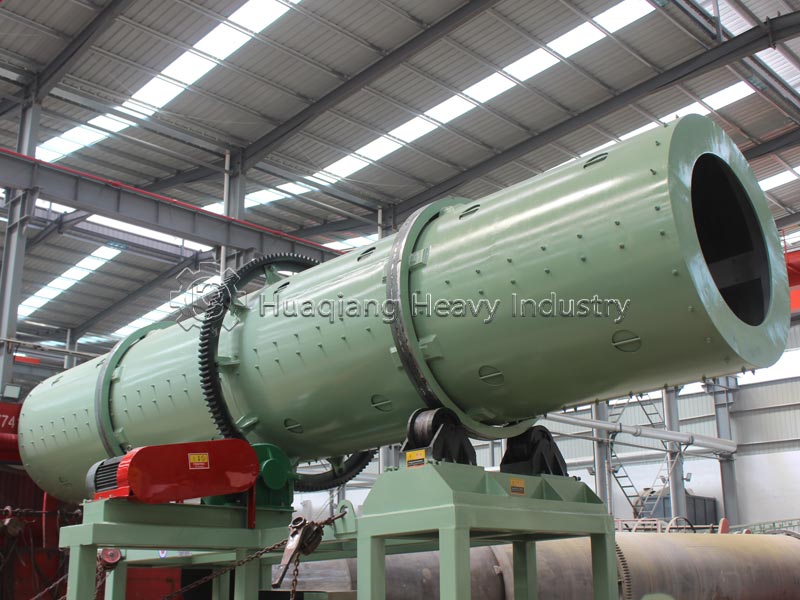
Based on dosage form, powdered fertilizers dissolve quickly and are suitable for irrigation and broadcasting; granular fertilizers, processed by rotary drum granulators, are easy to store and transport, have long-lasting effects, and are suitable for mechanical fertilization and large-scale planting. Precisely matching the type to the needs maximizes the value of bio-organic fertilizers.