

The core of organic fertilizer raw material selection is “scenario matching.” Different planting scenarios have different crop needs and soil conditions, leading to significant differences in raw material selection. Choosing the right raw materials and matching them with suitable organic fertilizer production equipment, rotary drum granulators, and organic fertilizer production lines can improve both fertilizer efficiency and production efficiency.
For field crops (corn, wheat, etc.): Prioritize low-cost and easily accessible raw materials such as livestock and poultry manure and straw. Suitable for large-scale planting, no complex pretreatment is required; basic organic fertilizer production equipment can process them. Large-scale processing can rely on organic fertilizer production lines.
For fruit and vegetable planting scenarios (vegetables, fruits): Focus on thoroughly decomposed raw materials such as mushroom residue and oilseed cake, which have a mild fertilizer effect, avoiding root burn and reducing fruit and vegetable deformities. Suitable for refined processing with organic fertilizer production equipment, and rotary drum granulators to ensure uniform granules.
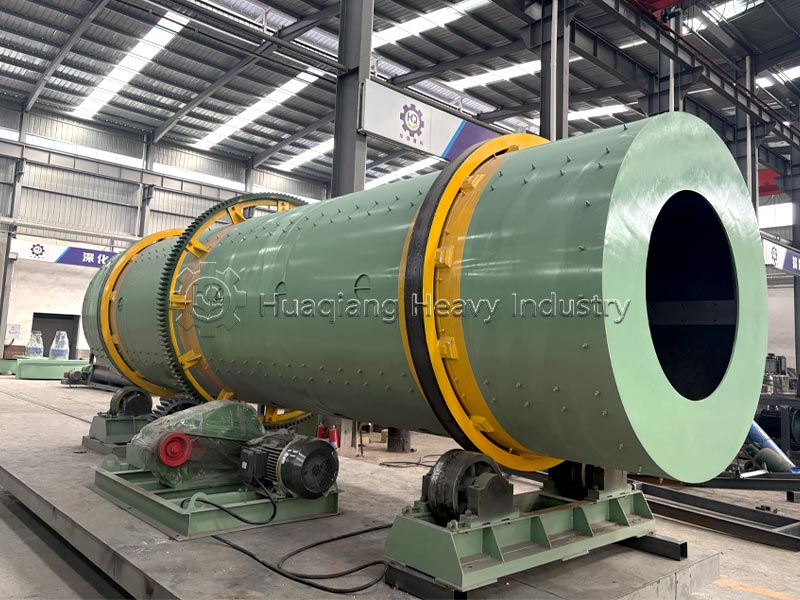
For seedling and flower cultivation: Prioritize nutrient-balanced and well-aerated raw materials such as leaf mold and well-rotted cow manure, suitable for the delicate root systems of seedlings. Use organic fertilizer production equipment with precise processing control, coupled with a rotary drum granulator for shaping.
For greenhouses: Prioritize odorless raw materials such as well-rotted chicken manure and mushroom substrate waste to prevent the growth of pests and diseases within the greenhouse. Pre-treat these materials using organic fertilizer production equipment, then integrate them with the organic fertilizer production line to achieve standardized, odorless production.
Regardless of the application scenario, thorough decomposition of raw materials is essential. Selecting suitable raw materials and combining them with appropriate organic fertilizer production equipment and lines can achieve a dual improvement in fertilizer efficiency and production capacity.