

Among numerous types of fertilizers, urea is hailed as the “king of fertilizers” due to its comprehensive advantages. Supported by mature fertilizer production lines and specialized urea processing equipment, urea achieves large-scale, standardized production, making it an indispensable core fertilizer in modern agriculture.
Its high nutrient concentration and purity are its core competitive advantages. Urea contains up to 46% nitrogen, the highest nitrogen content among solid nitrogen fertilizers. Its nutrient supply capacity per unit weight far surpasses traditional nitrogen fertilizers such as ammonium bicarbonate. Its nutrients are pure, releasing only nitrogen and carbon dioxide after application, with no harmful residues. This precisely meets the nitrogen needs of crops, promoting photosynthesis and nutrient accumulation.
It boasts extremely wide applicability and strong compatibility. Urea is suitable for various crops, including field crops, fruits and vegetables, and flowers, as well as different soil environments. It can be used as a base fertilizer, top dressing, or diluted for foliar application, compatible with various methods such as broadcasting, furrow application, and drip irrigation, meeting the needs of crops at different growth stages. Its versatility far surpasses specialized fertilizers.
Its fertilizer effect is mild and long-lasting, and its application is safe. Urea needs to be converted into ammonium nitrogen by soil microorganisms before it can be absorbed by crops. This conversion process is gradual, avoiding problems such as seedling burn and excessive growth. The long-lasting effect provides a stable supply of nitrogen, reducing the frequency of fertilization and labor costs.
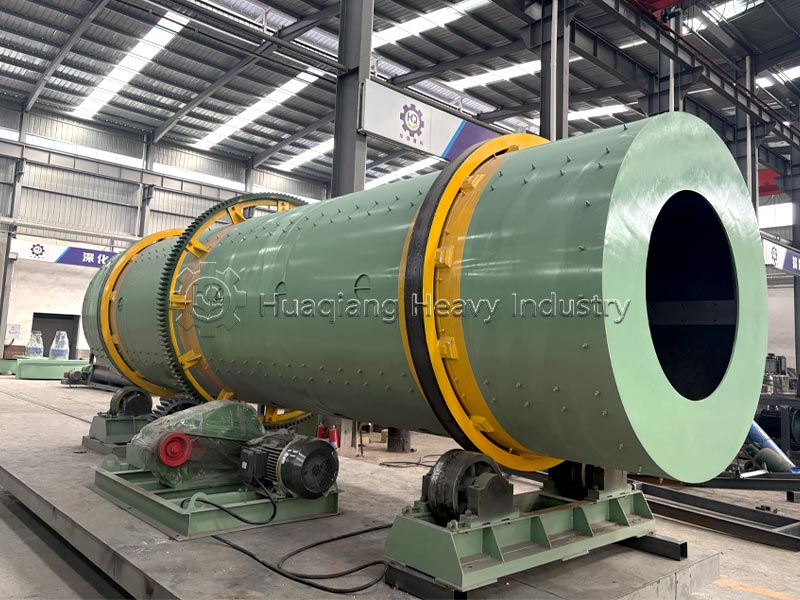
Its excellent industrial attributes and outstanding cost-effectiveness are inseparable from the support of fertilizer production equipment. Urea production technology is mature, and raw materials are readily available. Combined with specialized urea processing equipment and standardized fertilizer production lines, it can achieve efficient, large-scale production, significantly reducing costs. After processing with professional equipment, urea is more stable, easier to store and transport, and less prone to caking.