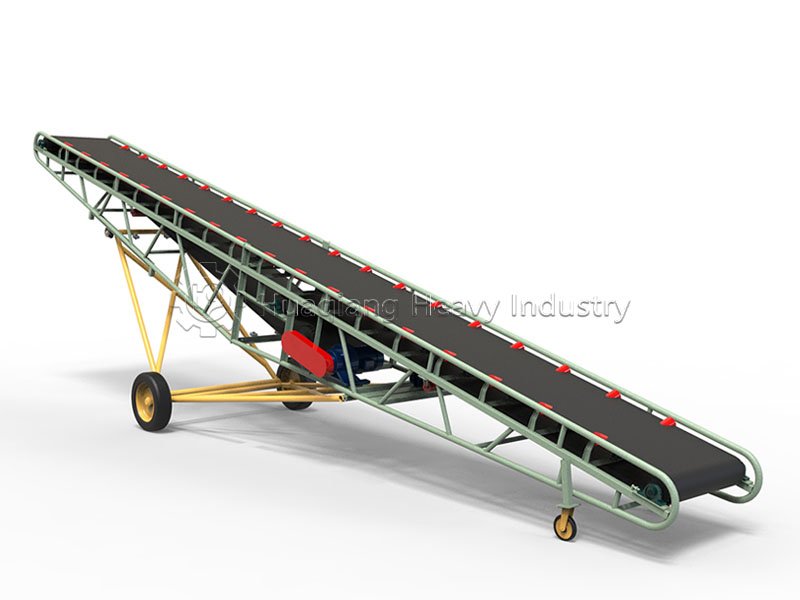
Mobile belt conveyors play a flexible and mobile role in fertilizer production, warehousing, and logistics. Unlike fixed belt conveyors, which are attached to building structures, mobile conveyors are independent, mobile units that can be deployed to any location as needed. In fertilizer plants, during raw material warehousing, finished product warehousing, and alternating production of multiple products, mobile belt conveyors can quickly adjust their position to connect with different equipment or vehicles. They can meet horizontal or inclined conveying needs and are an important auxiliary equipment for achieving flexible and efficient logistics within the plant.
Working Principle
The motor drives the head roller via a reducer, which in turn pulls the conveyor belt through friction. Material is received by the conveyor belt from the tail feed hopper and moves forward with the belt to the head discharge. Wheels at the bottom of the frame allow for free movement along the ground. The tilt adjustment mechanism changes the machine’s pitch angle to adapt to different discharge heights or docking requirements. The continuous operation of the conveyor belt smoothly transports materials without grading or breakage. The equipment is stable when in operation and can be released from its fixed position when moving, making operation simple.
Technological Advantages
Flexible layout, no foundation required, can be deployed and withdrawn at any time according to operational needs.
Multi-functional, capable of loading, stacking, and temporarily connecting material transport between two pieces of equipment.
Shortens material handling distance, reduces forklift turnover, and improves loading and stockpiling efficiency.
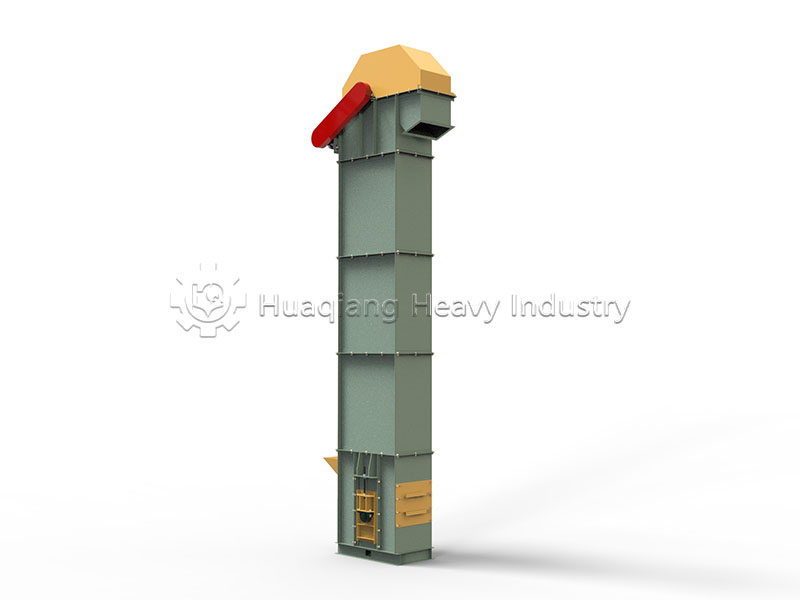
Used in conjunction with fixed belt conveyors or elevators to fill gaps in fixed conveying lines.
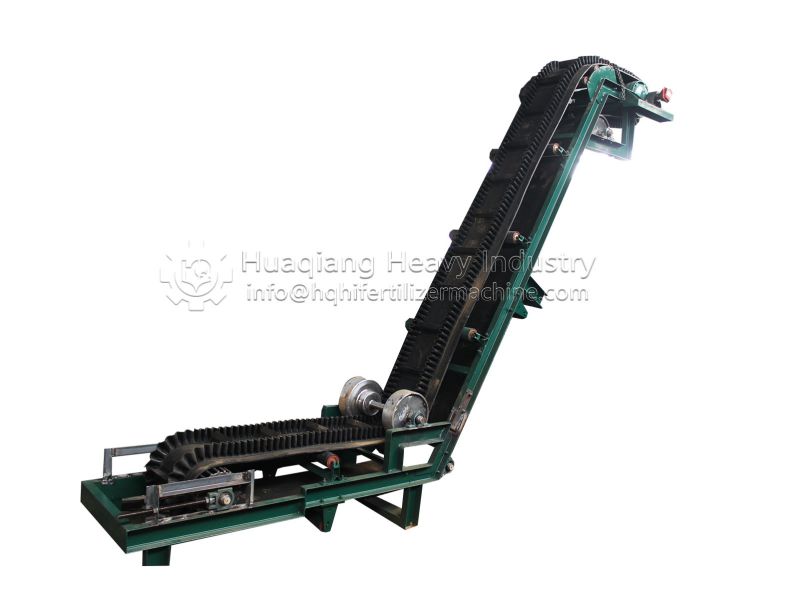
When selecting a mobile belt conveyor, first determine the belt type based on the characteristics of the material being conveyed. Deep-groove idler belts or skirted belts are suitable for powdery materials, while flat belts are suitable for granular materials.
Conveying capacity is determined by belt width and belt speed. Commonly used belt widths are 500-800mm, and belt speeds are 0.8-1.6m/s. Match production capacity accordingly.
Lifting height determines the range of machine tilt angles and the required motor power. The tilt angle generally should not exceed 20° to prevent material slippage.
For mobility, a manually pushed/pull type is suitable for short-distance movement within the workshop, while a type with a tow bar that can be attached to a motor vehicle is recommended for long-distance outdoor relocation. For loading operations requiring frequent height adjustments, models with electric or hydraulic lifting mechanisms are recommended.
Regarding the feeding method, if using a forklift, the rear feed hopper should be enlarged and equipped with anti-collision devices. The maximum lifting height at the unloading end should be determined based on the actual loading and stacking heights to ensure the equipment can meet the most demanding operating conditions.