

Oil palm cultivation generates a large amount of fruit bunch waste. This material has coarse fibers, high moisture content, and degrades extremely slowly. Improper dumping not only occupies land but also easily breeds pests and pollutes the environment. With the refined processing of an organic fertilizer production line, this difficult-to-handle waste can be transformed into high-organic-matter specialized organic fertilizer.
Targeting the coarse fiber characteristics of oil palm fruit bunches, the first step of the production line involves targeted pretreatment. First, crushing equipment breaks down and pulverizes the hard fruit bunches, dismantling the dense fiber structure and preventing fermentation clumping from hindering fermentation. Then, auxiliary materials are added to adjust the carbon-nitrogen ratio and moisture content, allowing the material to reach optimal fermentation conditions, laying a solid foundation for decomposition and quality improvement.
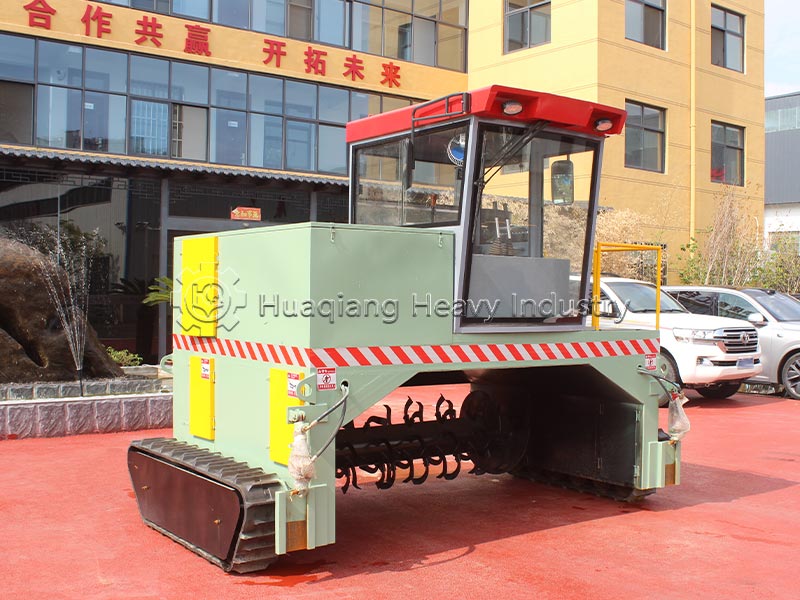
Fermentation is the core step in fertilizer production, and the production line controls the entire process with aerobic high-temperature fermentation. Through intelligent temperature control and a windrow compost turning machine, the material rapidly heats up and decomposes. The sustained high temperature kills insect eggs, pathogens, and other harmful substances, while also degrading coarse fibers and converting poorly absorbed organic matter into nutrients usable by crops, preventing problems like compaction and root burn after application.
After decomposition, the production line can process the material into powder or granular fertilizer as needed. After screening and packaging, the finished product is clean, well-organized, and convenient for storage and transportation, making it particularly suitable for use as a base fertilizer in tropical cash crops and orchards.
With the help of this organic fertilizer production line, oil palm fruit bunches are transformed from waste material into a high-quality fertilizer source that improves soil quality and enhances soil fertility. This not only solves the problem of waste disposal in oil palm cultivation but also establishes a green cycle of planting-waste-organic fertilizer.