

During the operation of an organic fertilizer production line, composting is the pivotal stage that determines the quality of the final product. Many operators overlook seemingly simple operational errors—mistakes that can directly lead to composting failure, nutrient loss, or even the complete spoilage of an entire batch of raw materials, resulting in wasted costs and reduced production efficiency.
The first common error is an imbalance in raw material ratios. During the pretreatment phase of the production line, a failure to properly adjust the carbon-to-nitrogen (C/N) ratio and moisture content of raw materials—such as pig manure and crop straw—can have detrimental effects. If the C/N ratio is too high, fermentation slows down; conversely, if it is too low, anaerobic conditions develop, leading to foul odors. Similarly, an imbalance in moisture content can cause the compost pile to clump together or result in incomplete fermentation. This is arguably the most easily overlooked issue, yet it often has the most significant impact.
The second error involves untimely or inadequate turning of the compost pile. The primary function of an organic fertilizer compost turning machine is to replenish oxygen and regulate temperature. If the pile is not turned on schedule—or if the turning process fails to thoroughly mix the material—localized anaerobic zones will form within the pile. These zones foster the proliferation of harmful bacteria, not only generating foul odors but also preventing the compost from meeting safety standards regarding pathogen elimination.
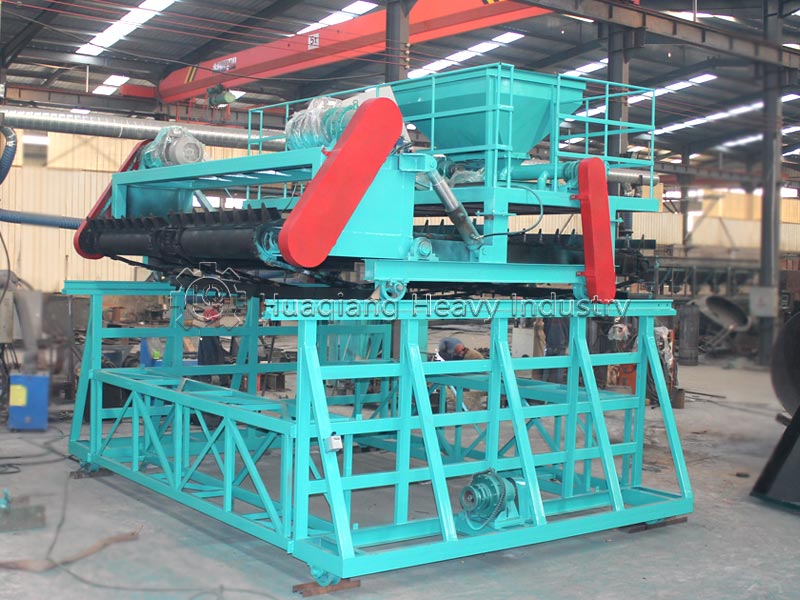
The third error is neglecting the control of fermentation temperatures. Composting requires maintaining a high temperature range of 55–65°C to effectively eliminate pathogens and insect eggs. If the production line fails to monitor temperatures—or if untimely turning causes temperatures to deviate too far above or below this optimal range—the maturation process will be compromised. This can result in either incomplete sterilization or an excessively slow rate of decomposition.
Finally, there is the error of misjudging the maturity of the compost—specifically, proceeding to the next processing stage before the material has fully matured. Unmatured compost contains harmful substances that can cause “root burn” when applied to crops; conversely, allowing the compost to over-mature leads to a loss of valuable nutrients. These, too, are simple yet common errors encountered in organic fertilizer production lines.
While these errors may appear minor, they directly determine the success or failure of the composting process. By adhering to standardized operational procedures, utilizing organic fertilizer compost turning machines correctly, and avoiding these simple pitfalls, producers can consistently manufacture high-quality organic fertilizer.