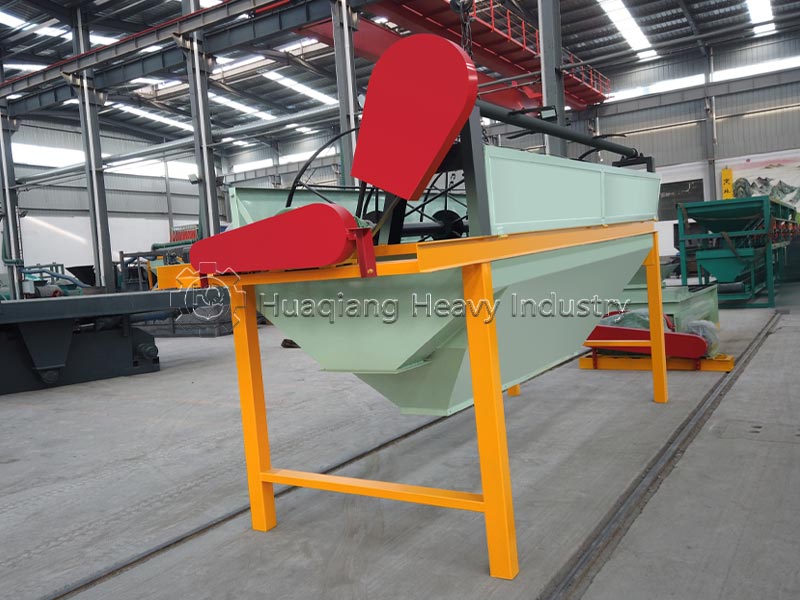
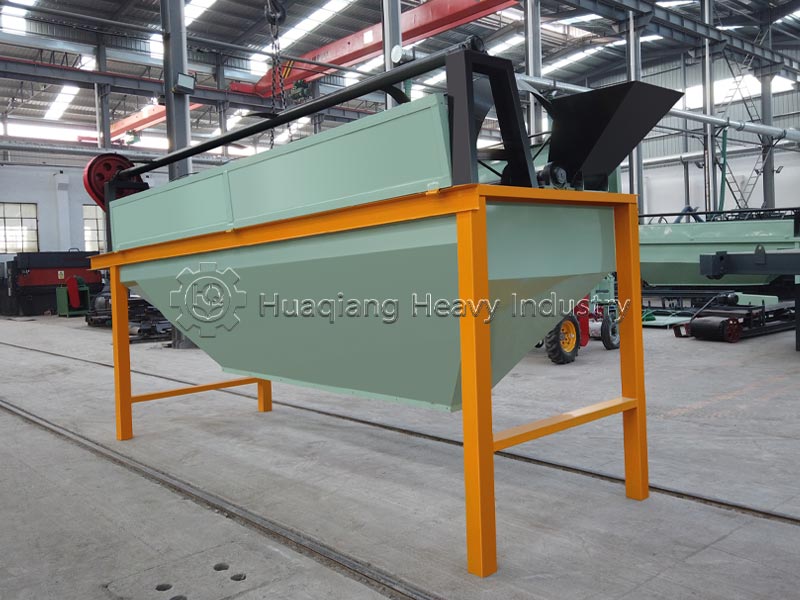
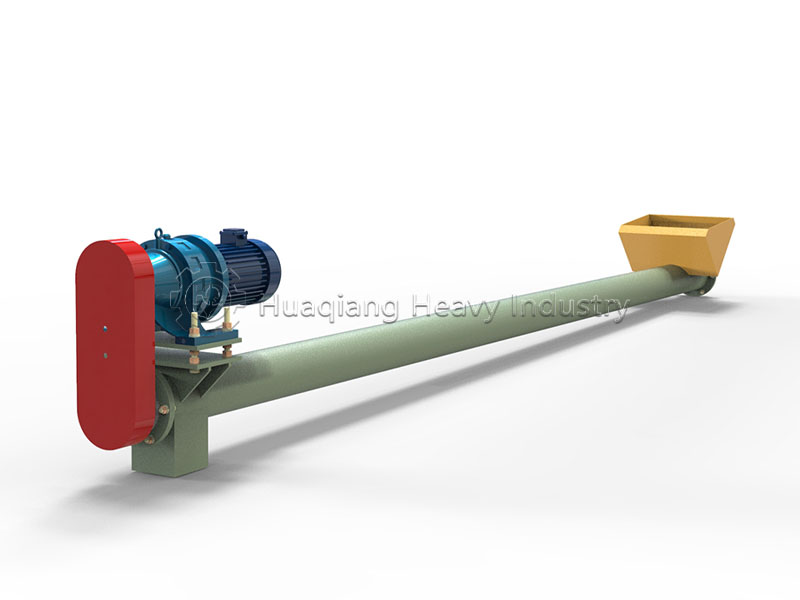
The rotary screening machine is a reliable and easy-to-operate piece of equipment used for particle grading in fertilizer production lines. Unlike vibrating screens, which require adjustments to excitation force and amplitude, this machine relies on the smooth rotation of the drum to perform screening; it involves fewer operating parameters, making it easy for workers to master. The screen mesh is the only wear part requiring periodic replacement; it is convenient to install and remove, resulting in low maintenance costs. The equipment supports continuous feeding and discharging, automatically performing grading with minimal manual intervention. In organic and compound fertilizer workshops, the rotary screen is typically positioned after the drying and cooling stages; it clearly separates materials into three grades—qualified granules, fine powder, and oversized lumps—thereby supplying finished products with uniform particle size to the packaging section.
Working Principle
After entering the inclined rotating screen drum through the inlet, the material is lifted to a certain height by the drum’s rotation before rolling down and moving forward under gravity. As the material continuously tumbles and scatters inside the drum, the particles make repeated contact with the screen surface. Particles smaller than the screen apertures pass through into the discharge hopper below, while larger particles roll along the drum to the discharge end. When configured with a multi-layer drum, the material passes sequentially through screen surfaces with varying aperture sizes from the inside out, achieving multi-stage separation. The drum rotation speed is generally low, and the material’s residence time inside the drum can be adjusted by varying the inclination angle and rotation speed.
Operation Methods
Before startup, check the drum interior for residual material or debris, inspect the screen surface for damage, and verify the lubrication status of the drive mechanism. Start the drum without a load to observe whether the operation is smooth and free of abnormal noise.
Once operation is stable, begin feeding material evenly, controlling the feed rate via a feeder or conveyor belt. During operation, periodically check the material at each discharge outlet to ensure screening is proceeding normally. The presence of large particles in the undersize material indicates screen damage requiring repair or replacement; an excess of fine powder in the oversize material suggests the feed rate is too high or the screen apertures are clogged, requiring a reduction in feed rate or an inspection of the cleaning mechanism.
To shut down, stop the feed first and allow the drum to empty completely before stopping the main unit. Regularly clean accumulated dust from the outer wall of the drum and the interior of the dust cover.
Scope of Application
Organic fertilizer production lines: Particle size grading of granulated organic fertilizer after drying and cooling; separation of qualified product from fines and oversized lumps.
Compound fertilizer production lines: Screening of compound fertilizer granules after granulation and drying; control of the finished product’s particle size range.
Bio-organic fertilizer production: Gentle screening of microbe-containing granules; maintains granule integrity without breakage.
Feed processing: Separation and grading of pelleted feed and powdered feed.
Construction materials and mining: Particle size grading and screening of materials such as sand, gravel, and limestone.